
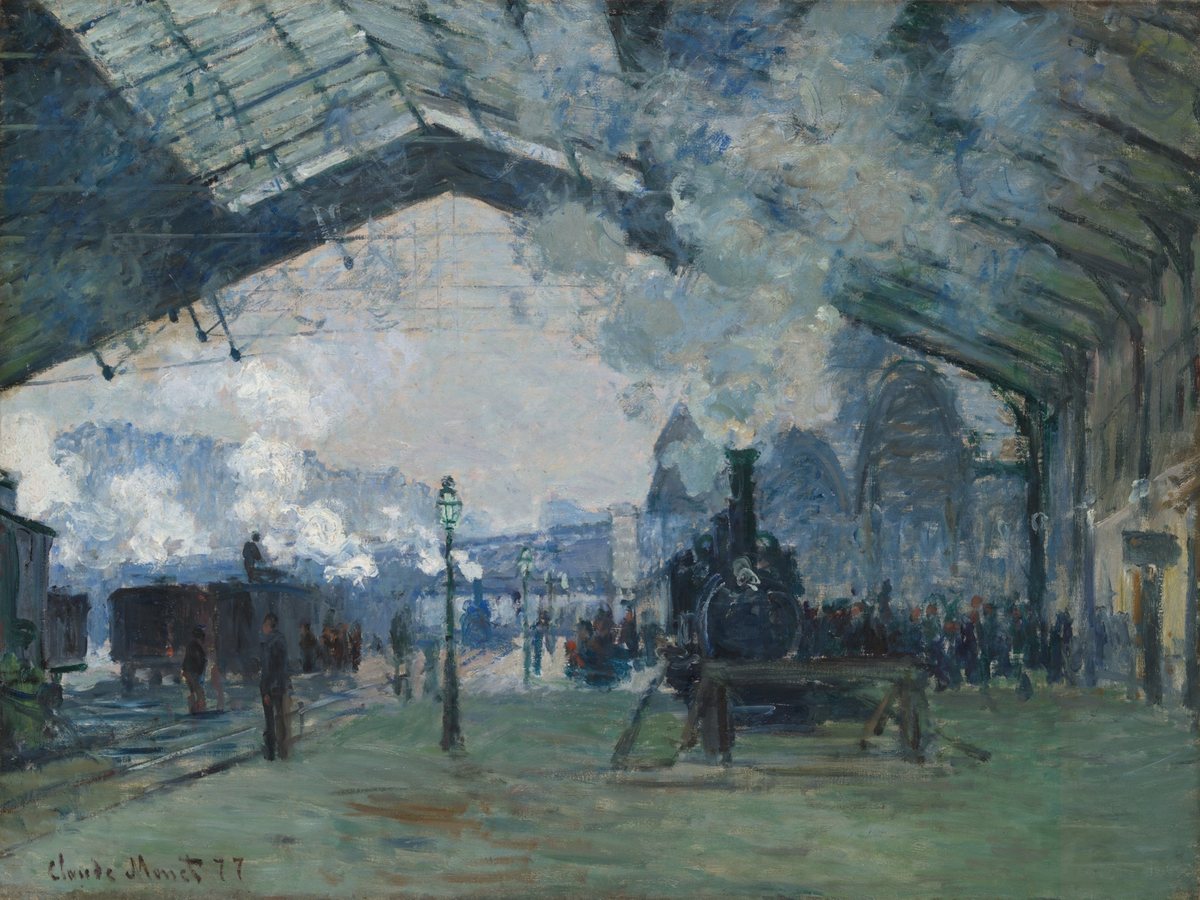
 Arrival of the Normandy Train, Gare Saint-Lazare
From $38.00
Posters
Classic public-domain artworks, carefully prepared and printed on demand on archival matte paper by our print partner. Choose the size on each print; prints are sent unframed, ready for a frame of the same size.
Arrival of the Normandy Train, Gare Saint-Lazare
From $38.00
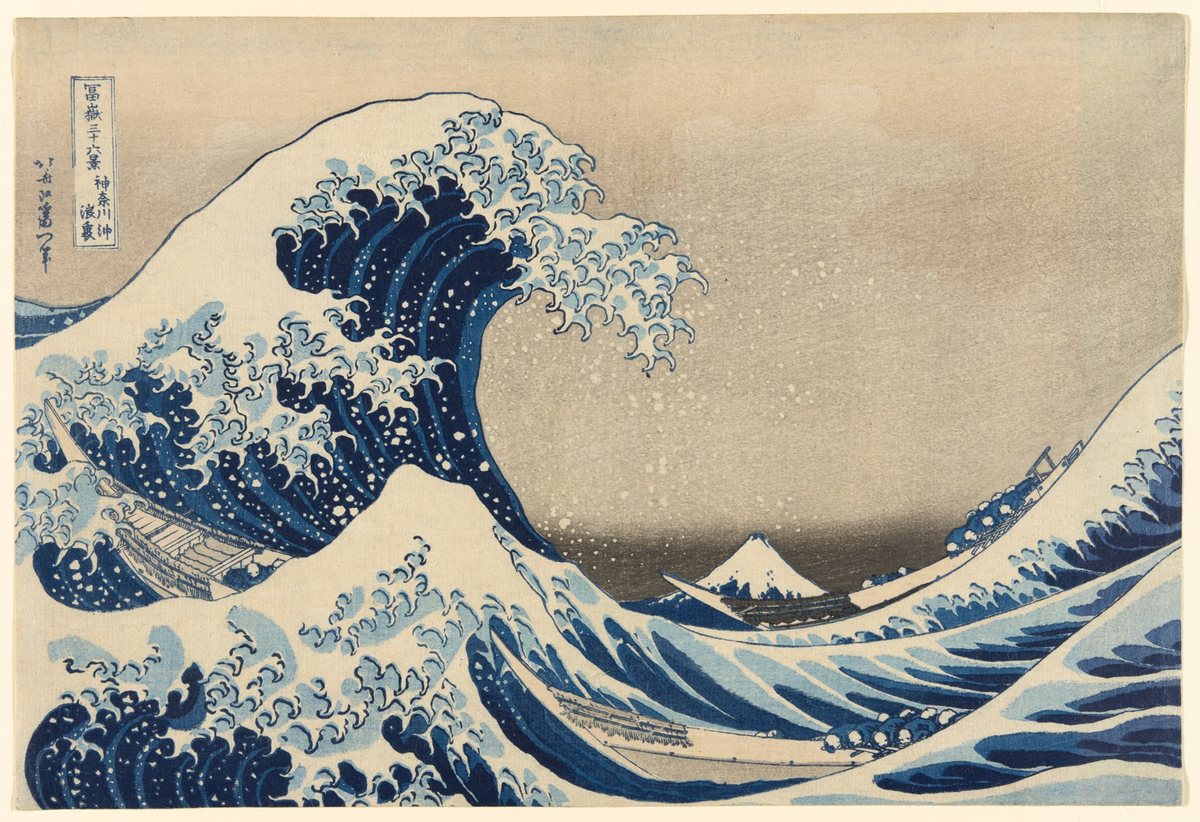 The Great Wave off Kanagawa
From $38.00
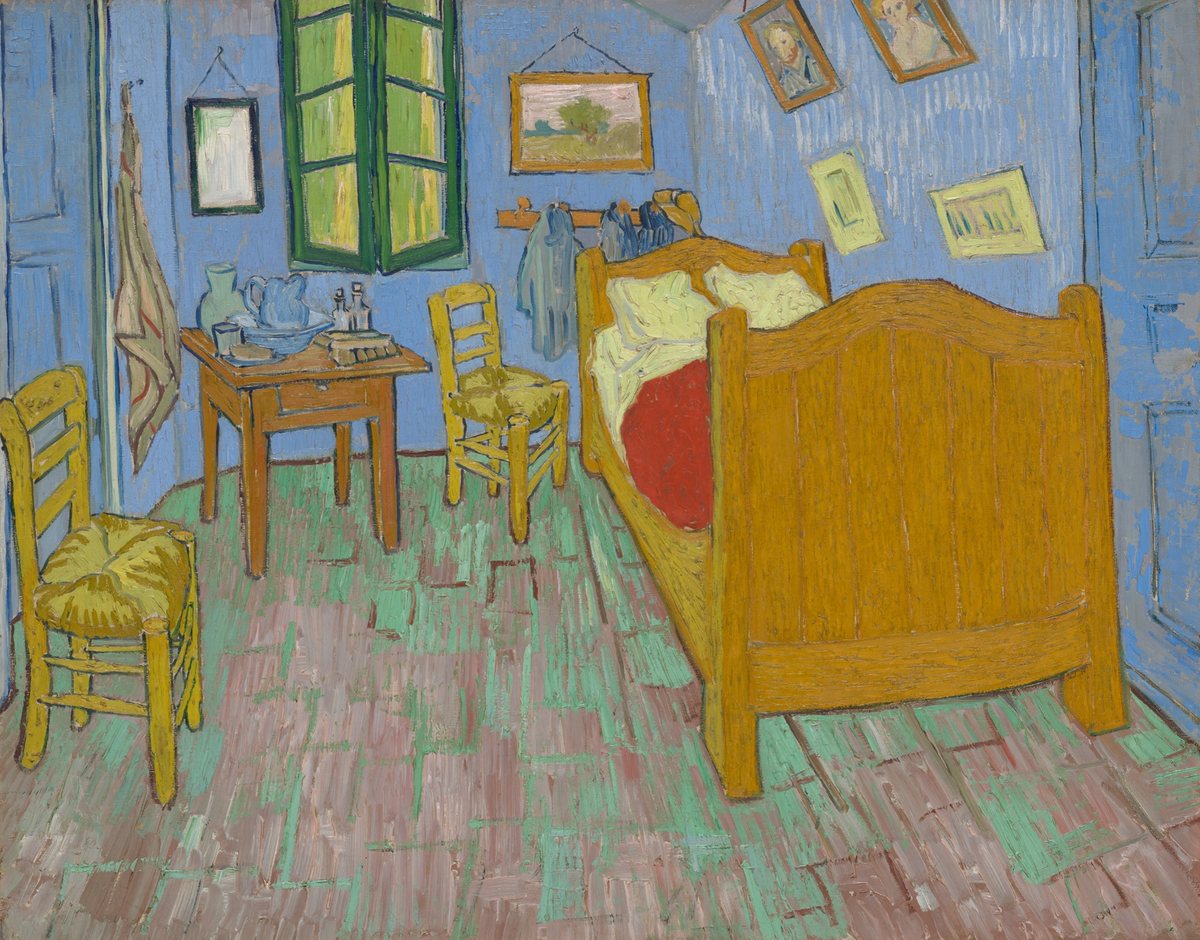 The Bedroom
From $52.00
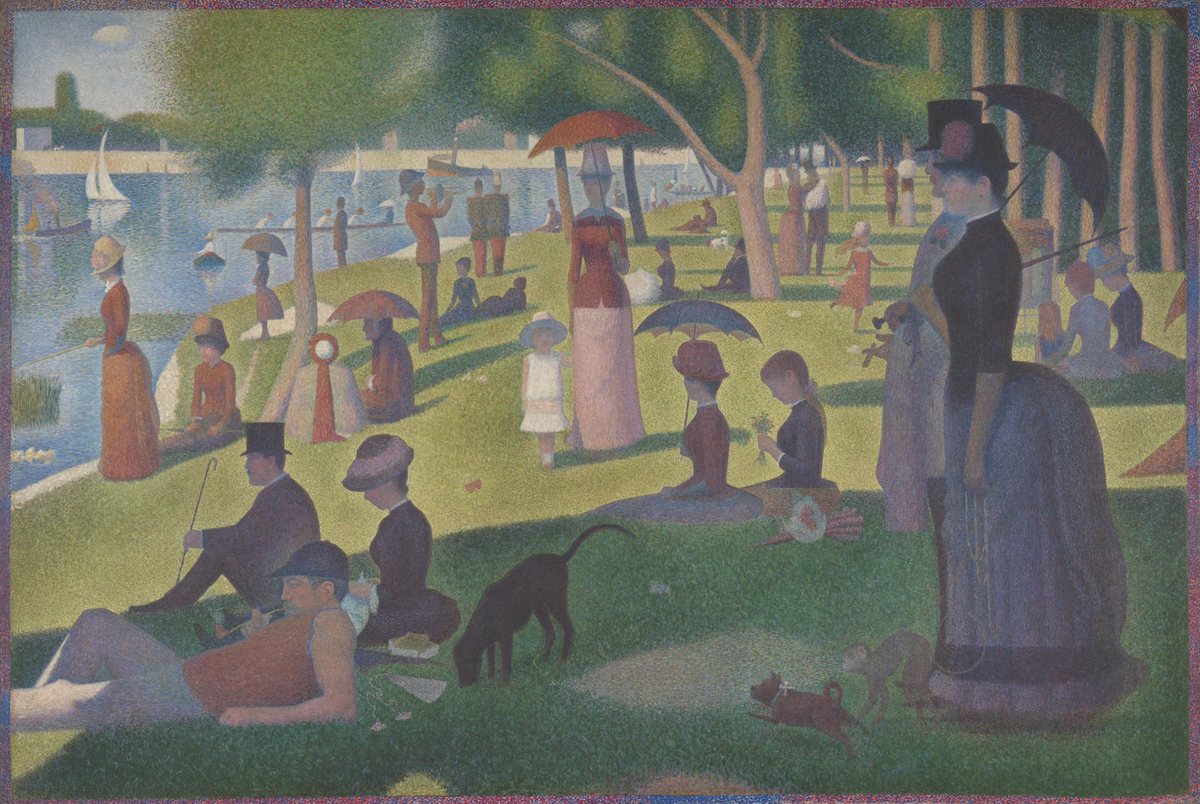 A Sunday on La Grande Jatte—1884
From $38.00
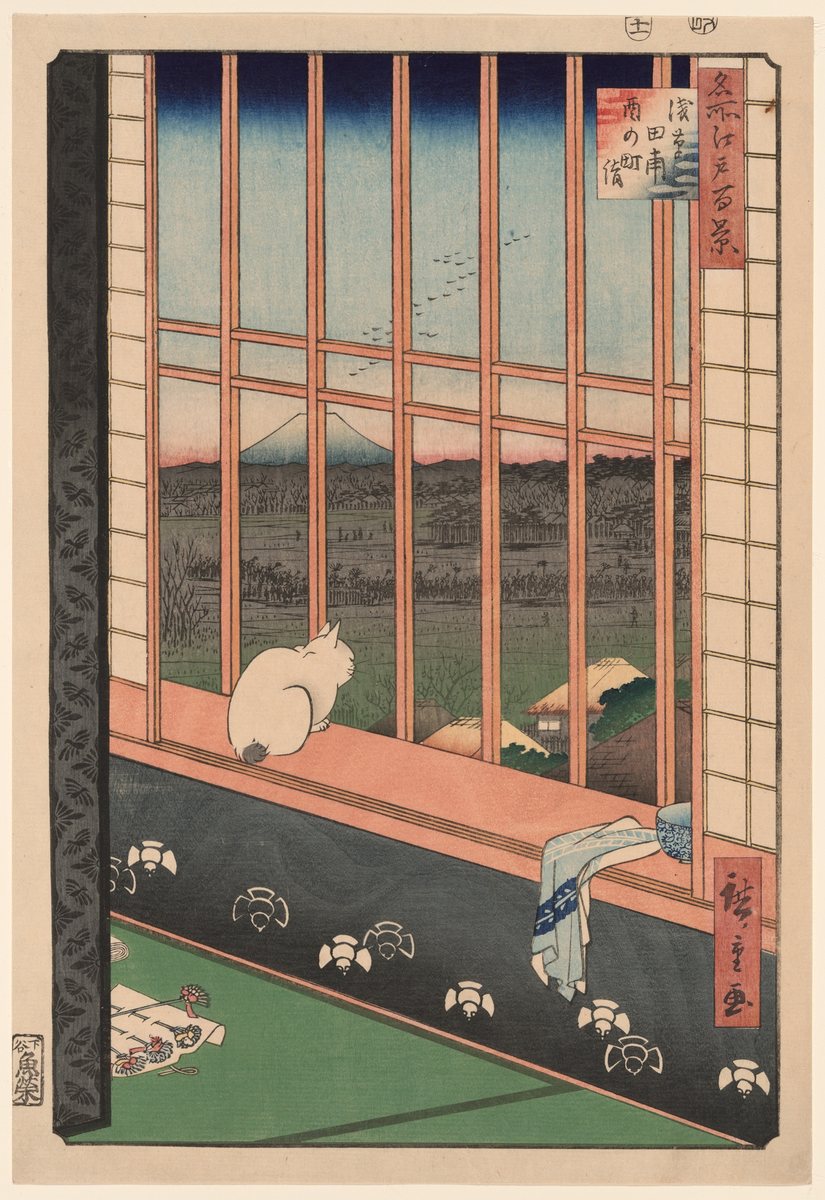 Asakusa Rice Fields and Torinomachi Festival
From $38.00
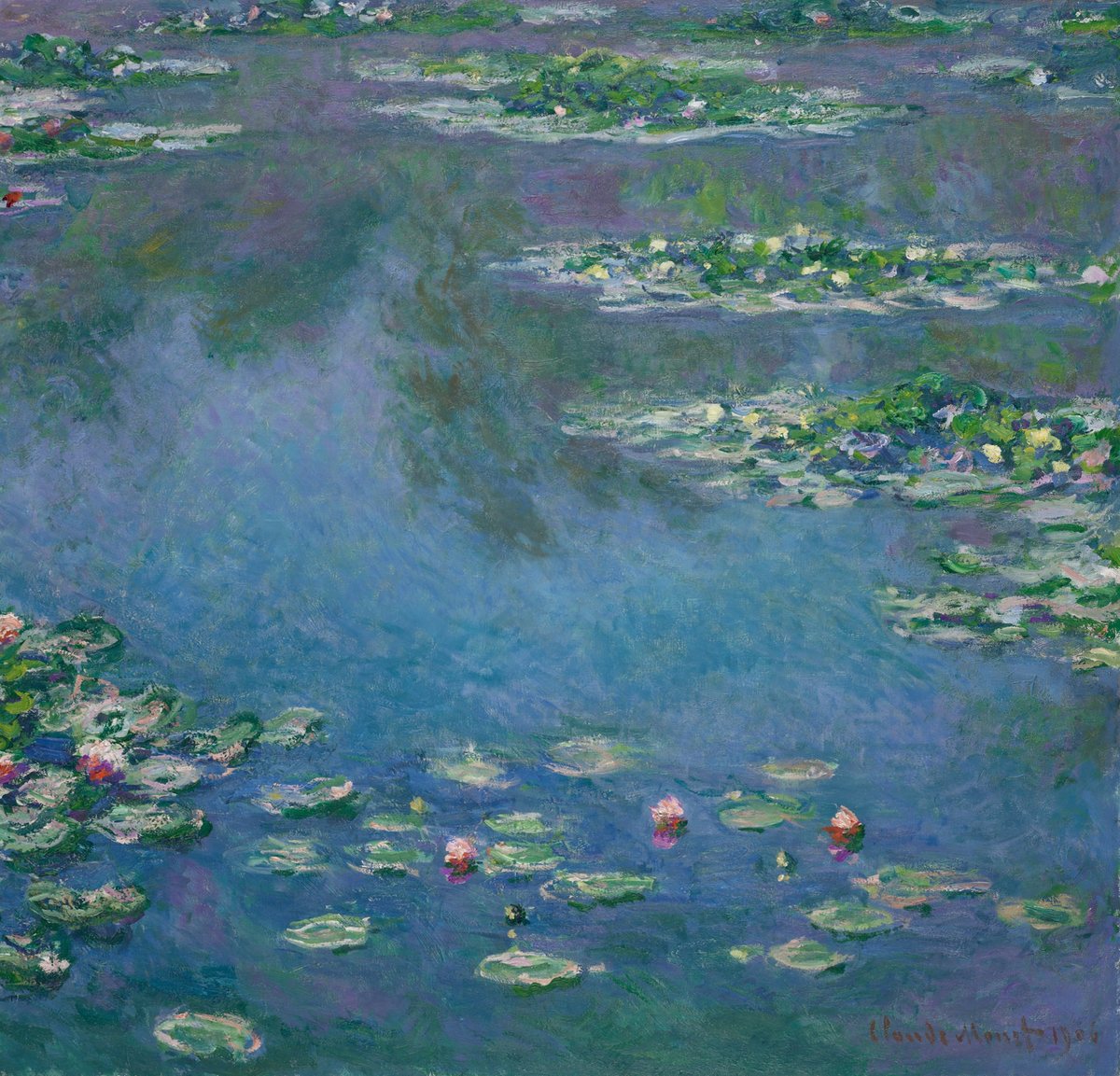 Water Lilies
From $46.00
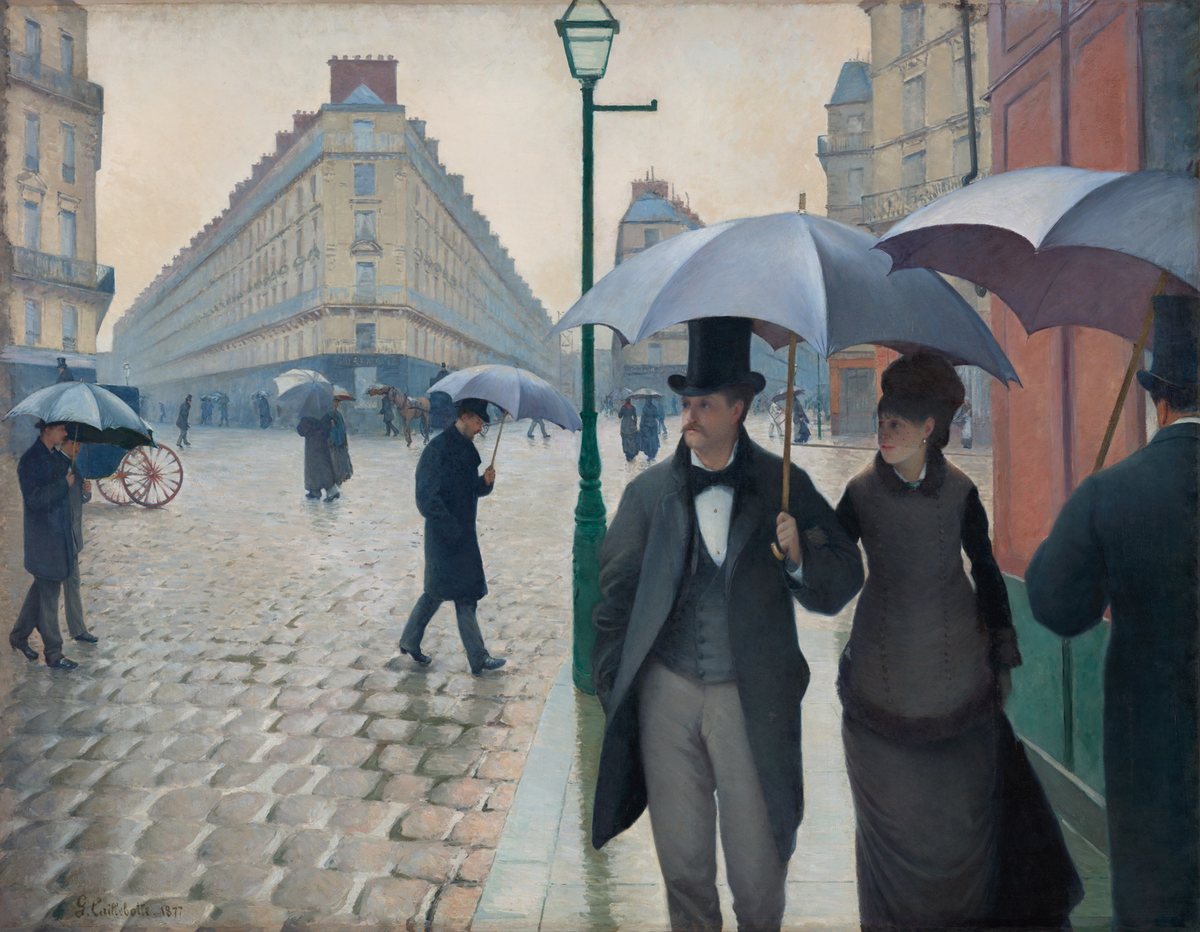 Paris Street; Rainy Day
From $52.00
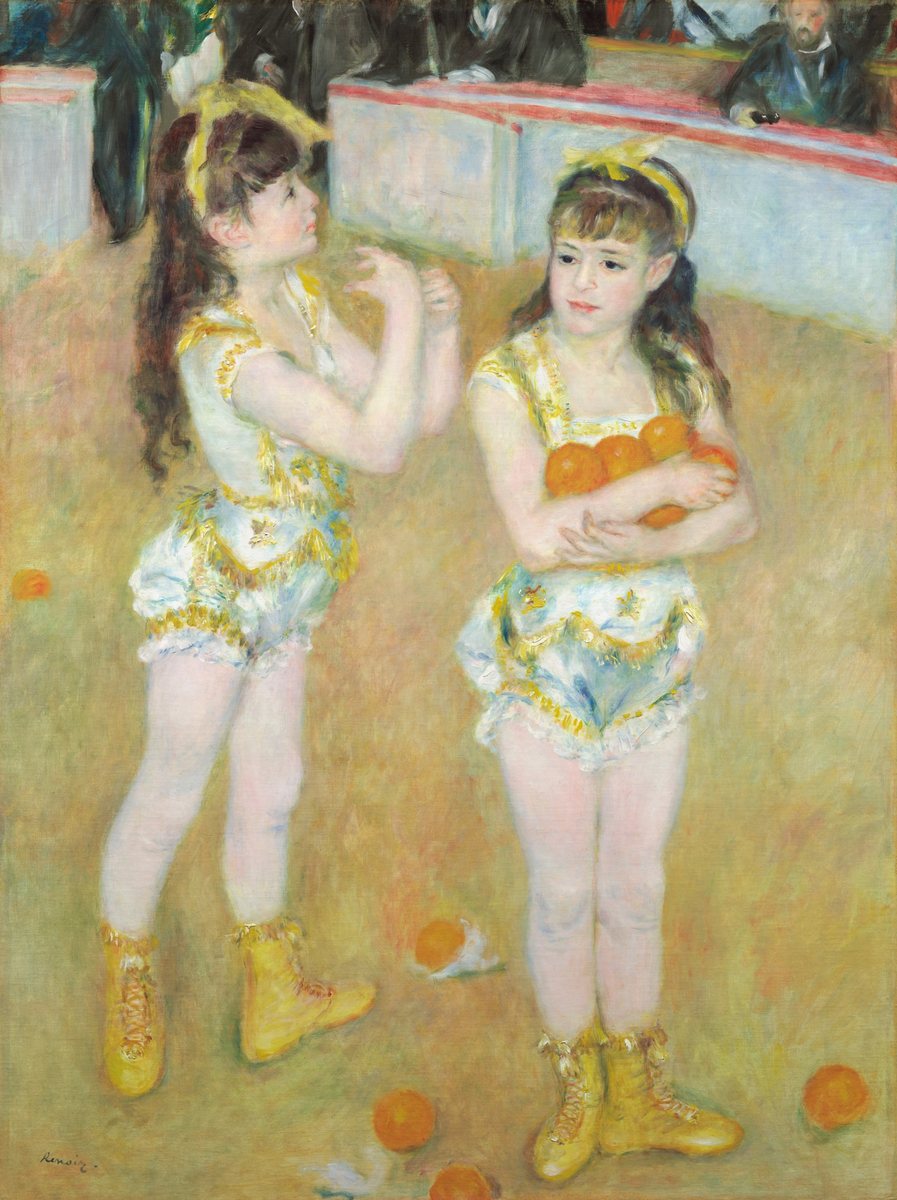 Acrobats at the Cirque Fernando
From $38.00
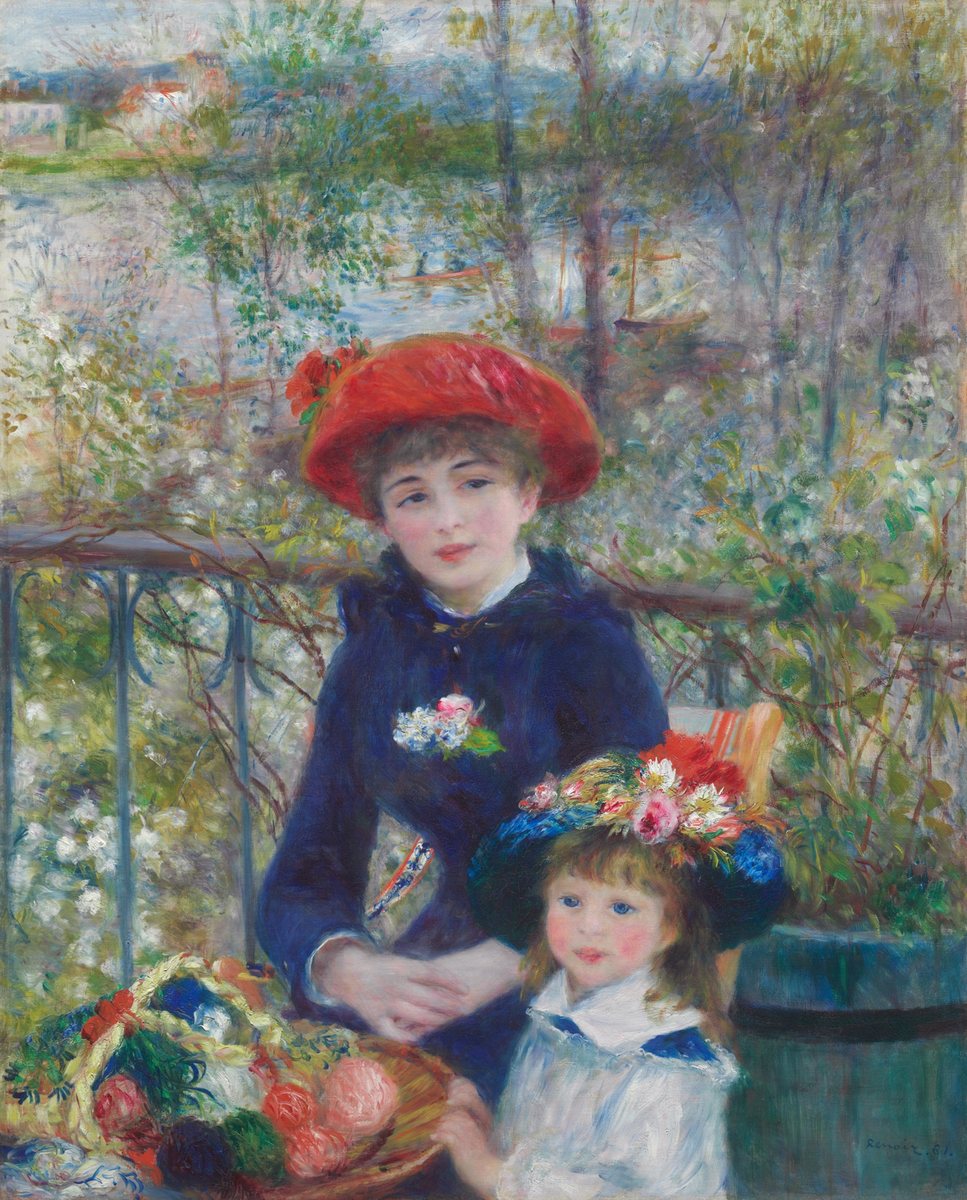 Two Sisters (On the Terrace)
From $52.00
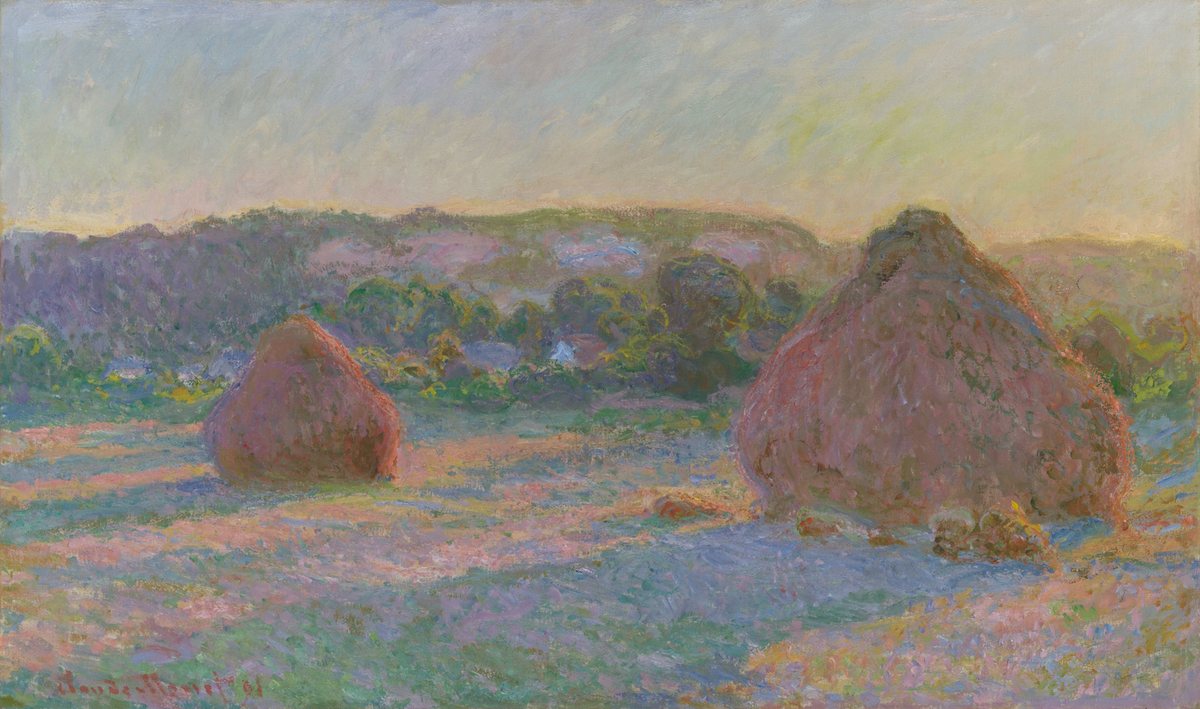 Stacks of Wheat (End of Summer)
From $38.00
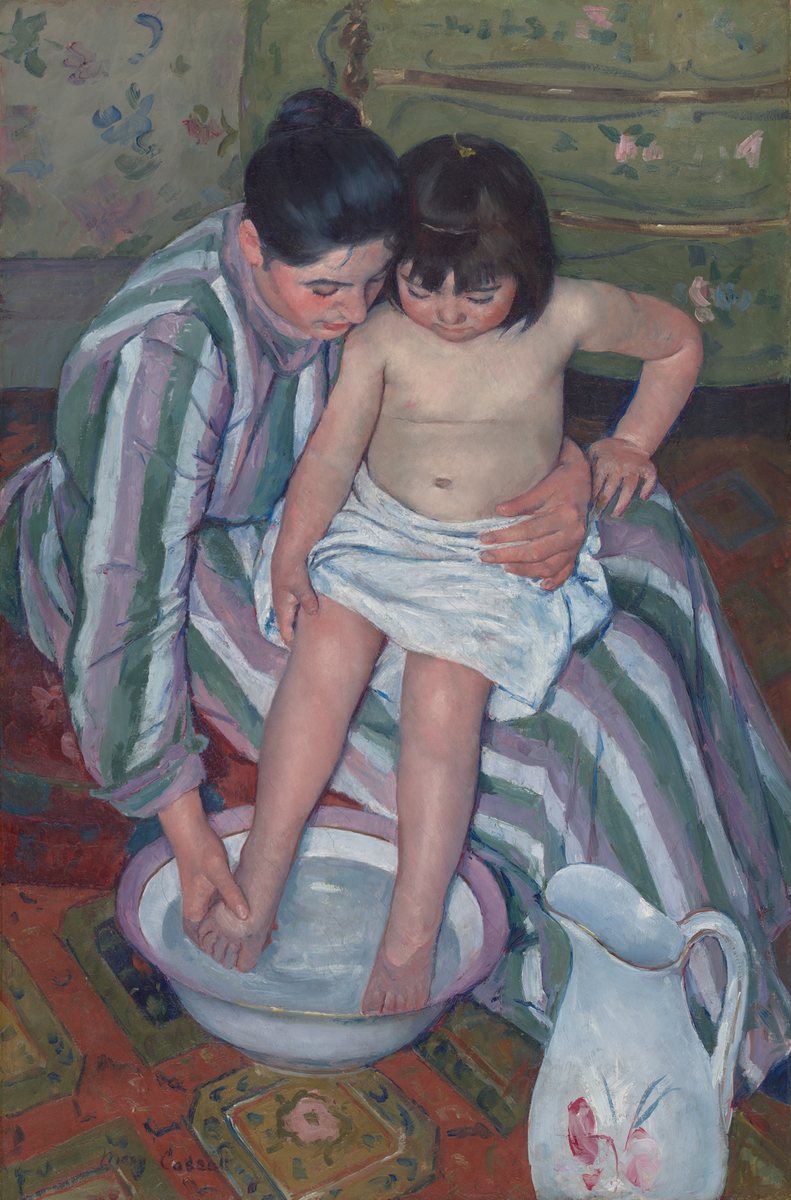 The Child's Bath
From $38.00
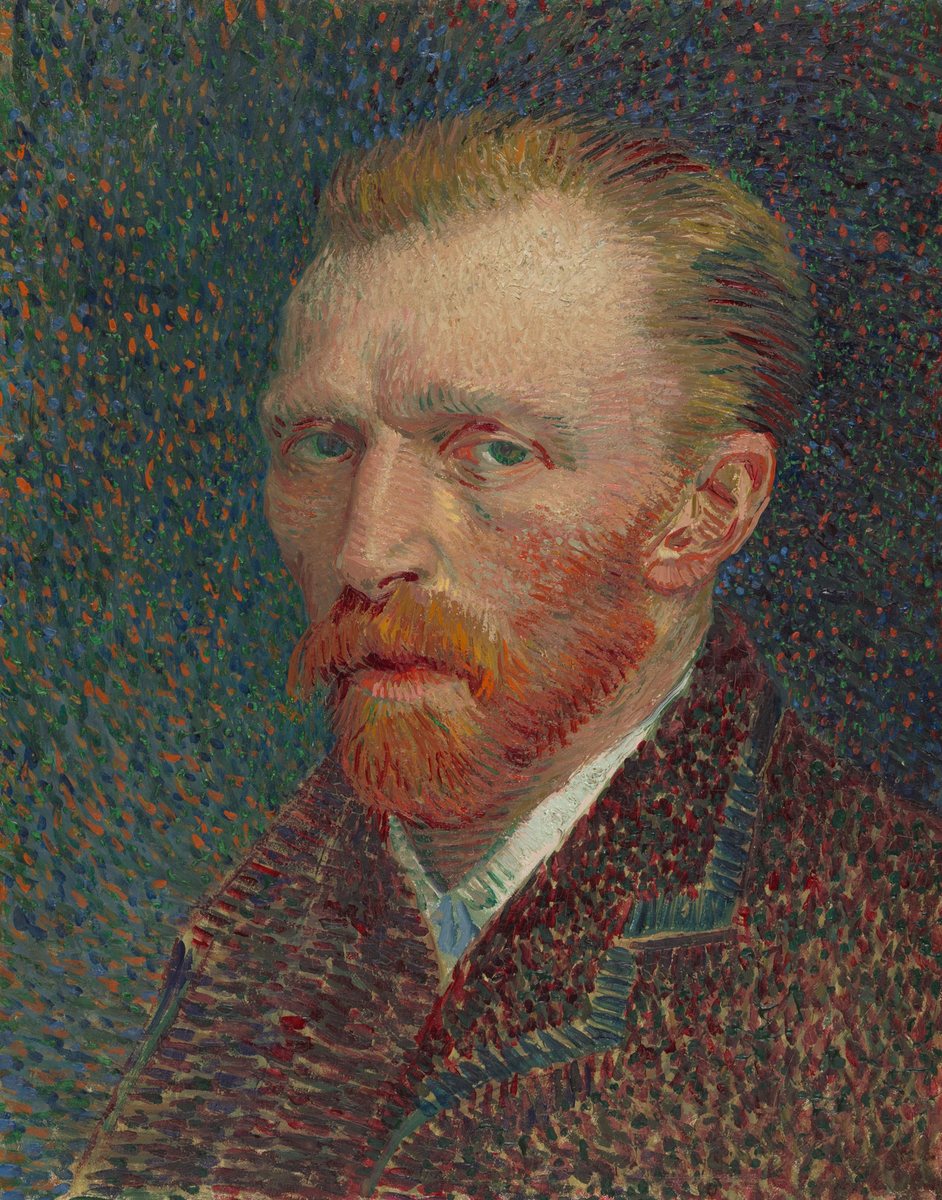 Self-Portrait
From $52.00
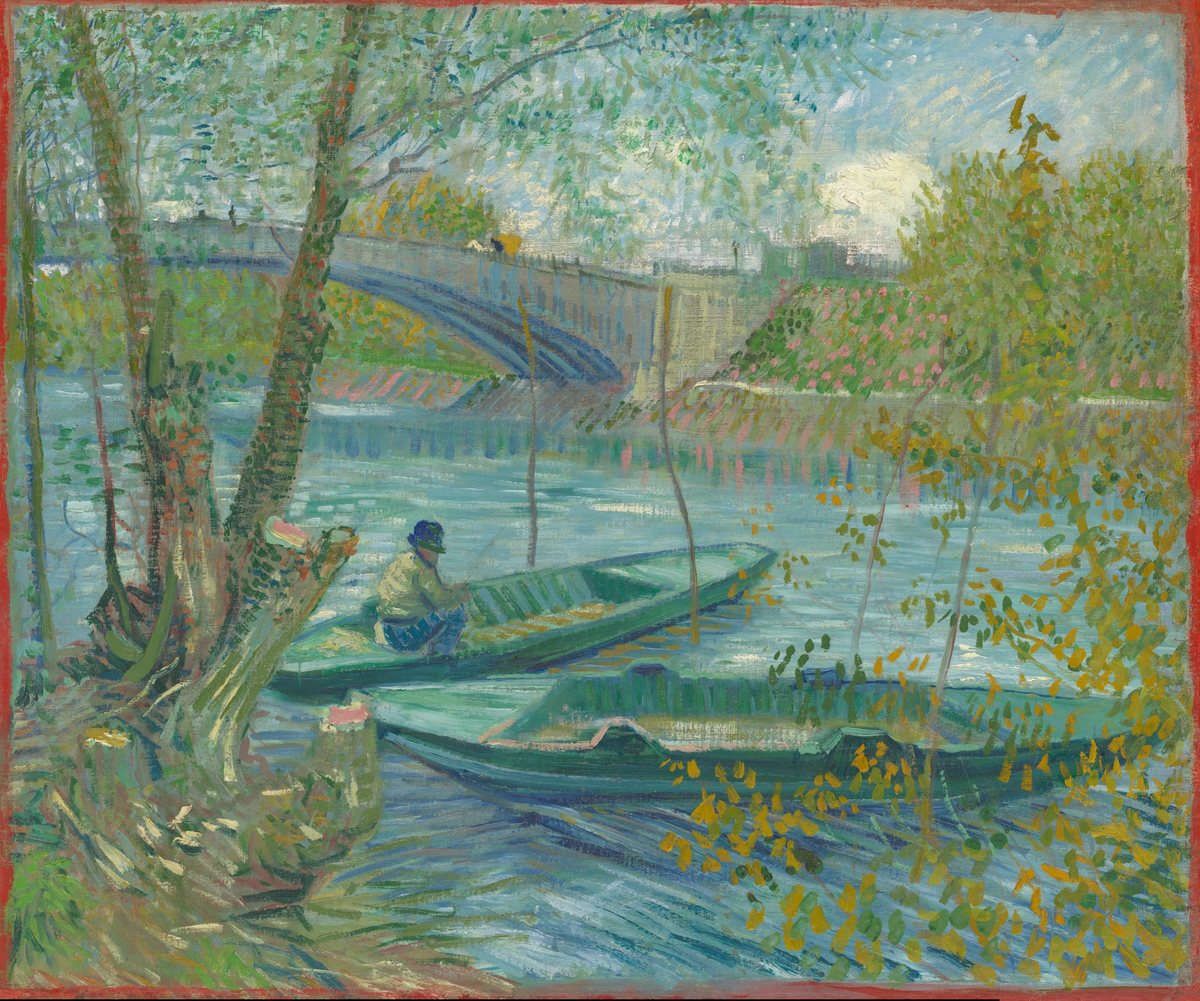 Fishing in Spring, the Pont de Clichy (Asnières)
From $52.00
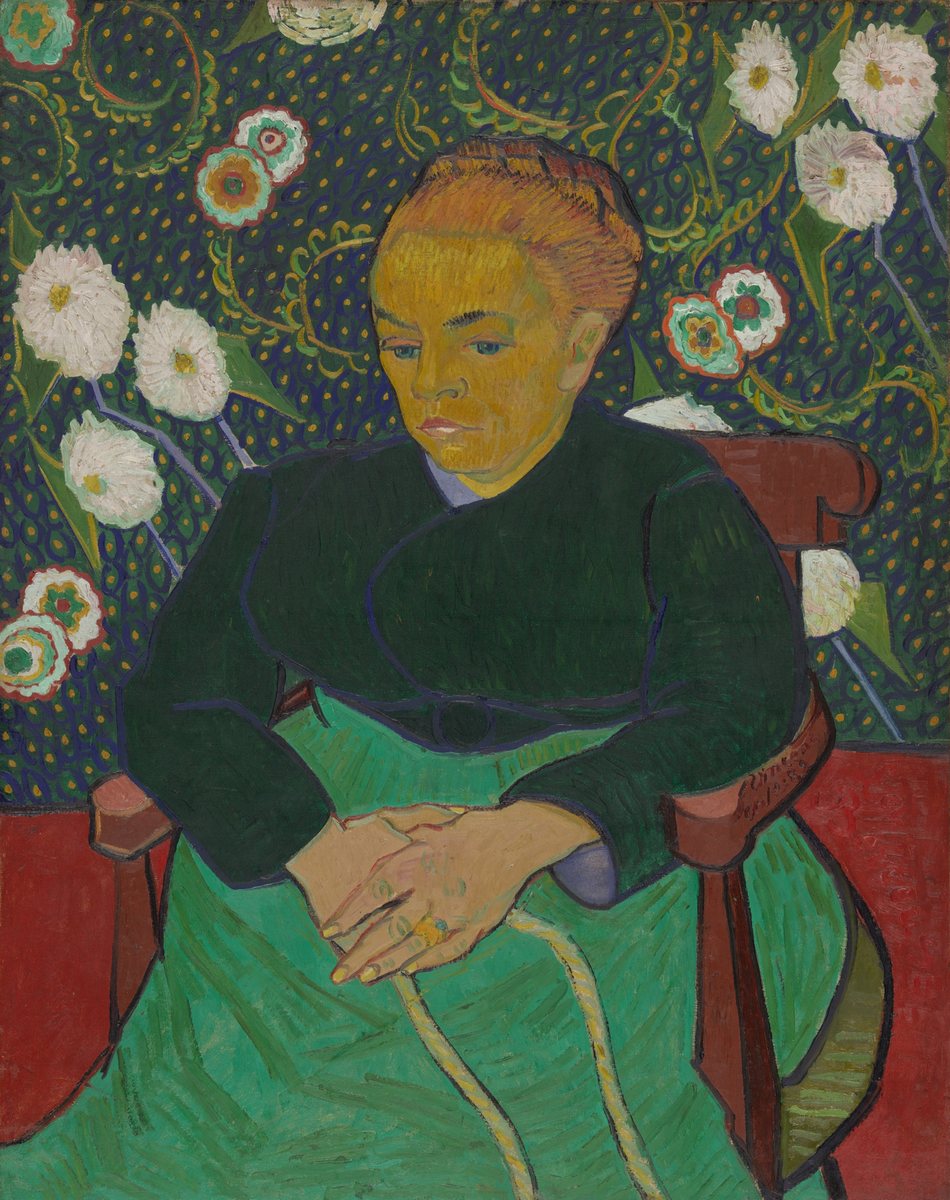 Madame Roulin Rocking the Cradle (La berceuse)
From $52.00
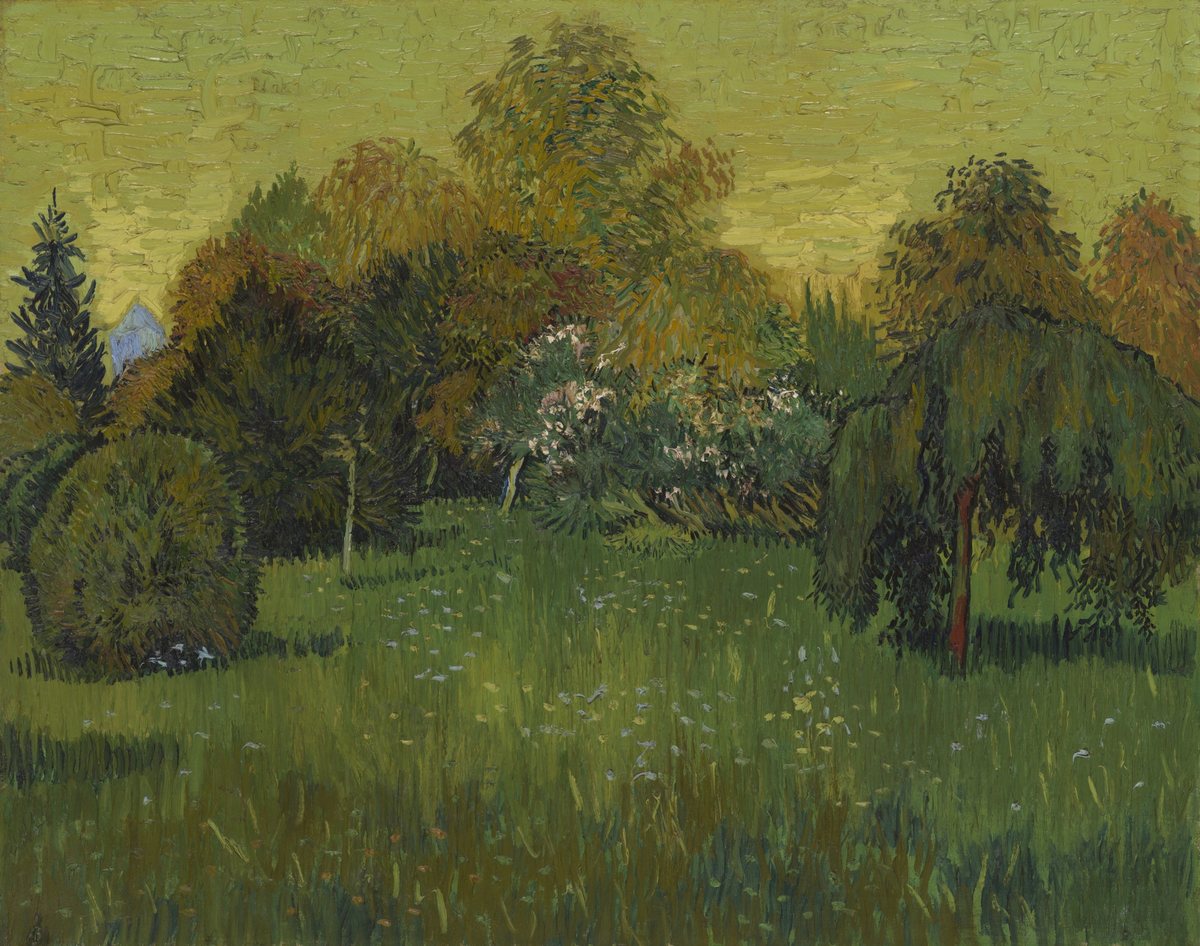 The Poet's Garden
From $52.00
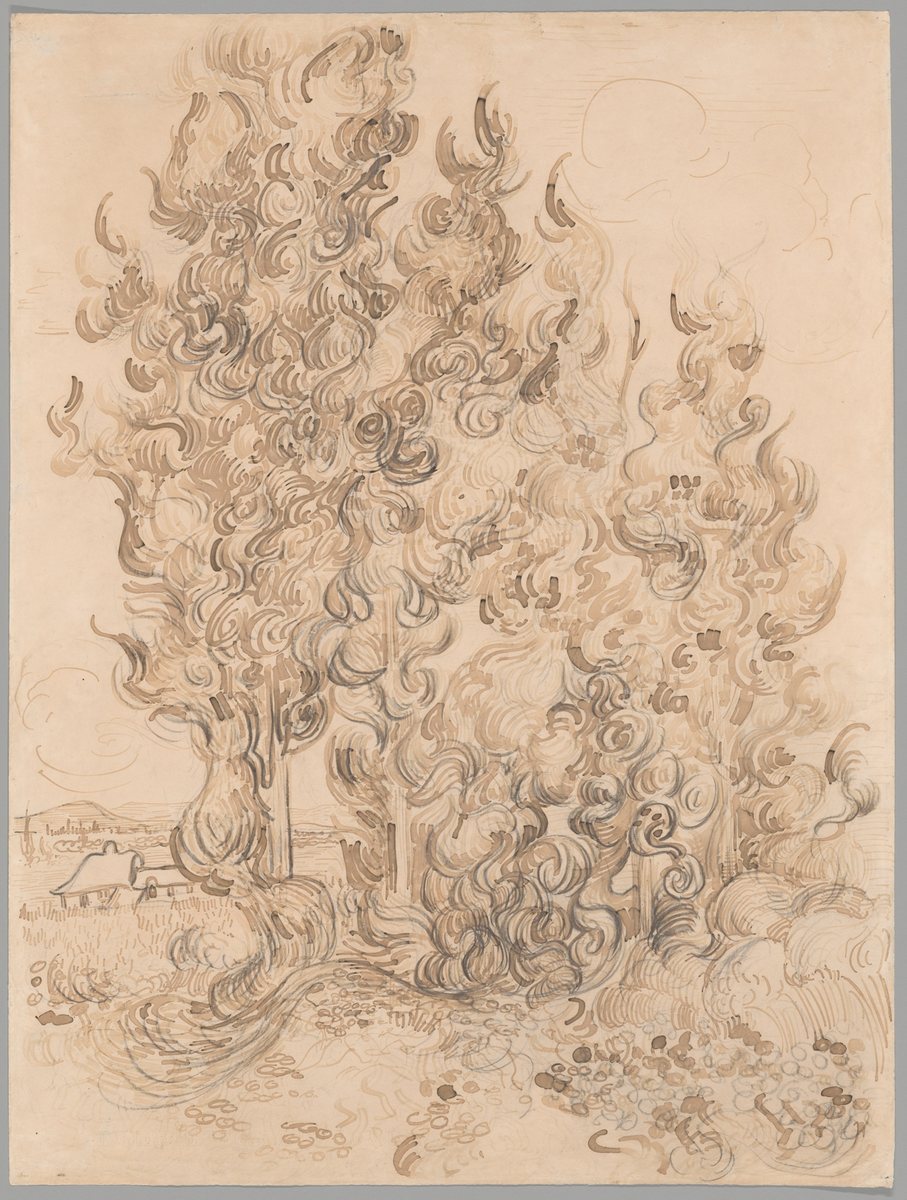 Cypresses
From $38.00
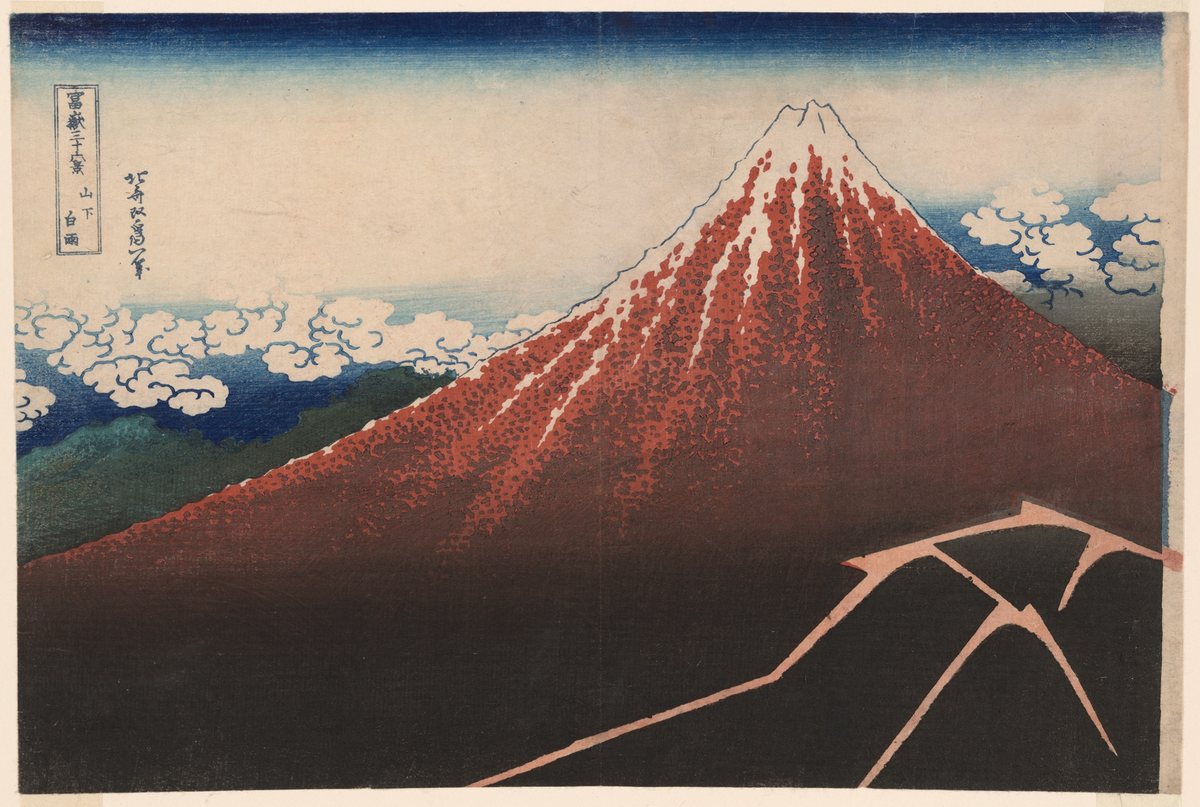 Shower Below the Summit
From $38.00
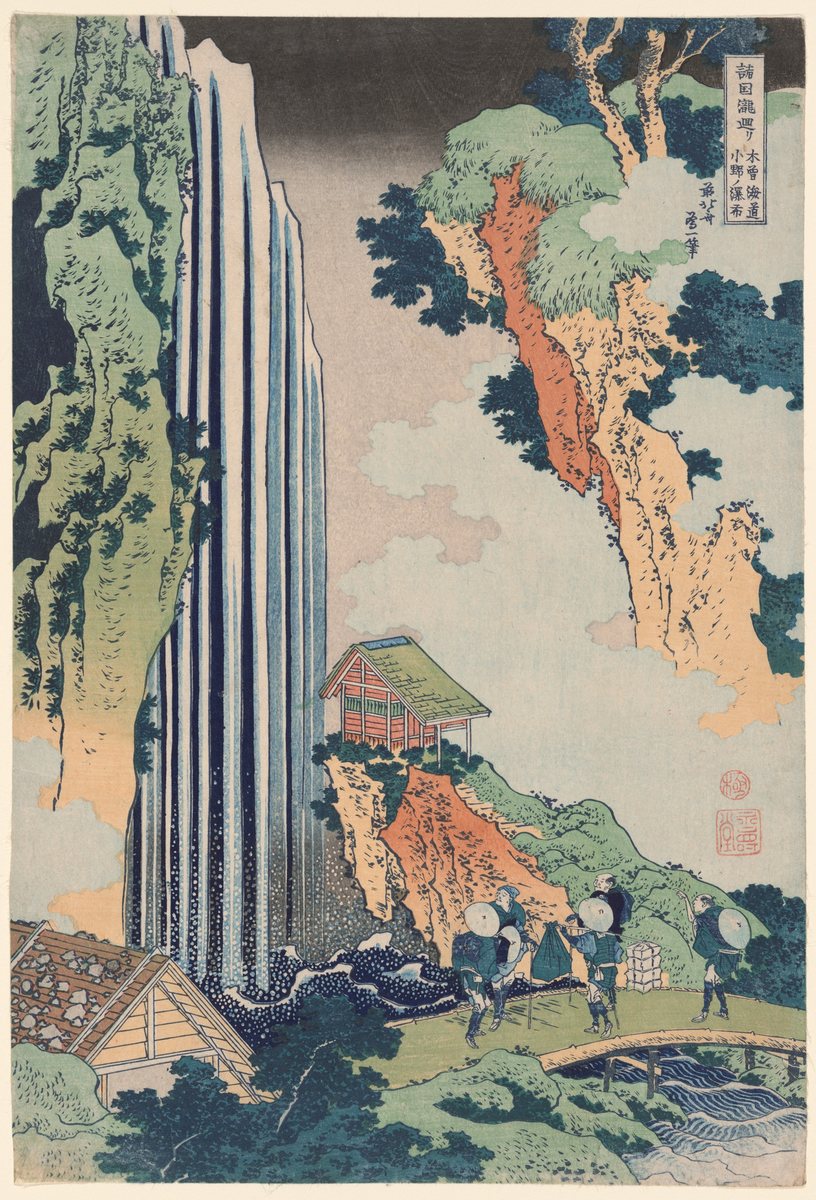 Ono Falls on the Kisokaidō Road
From $38.00
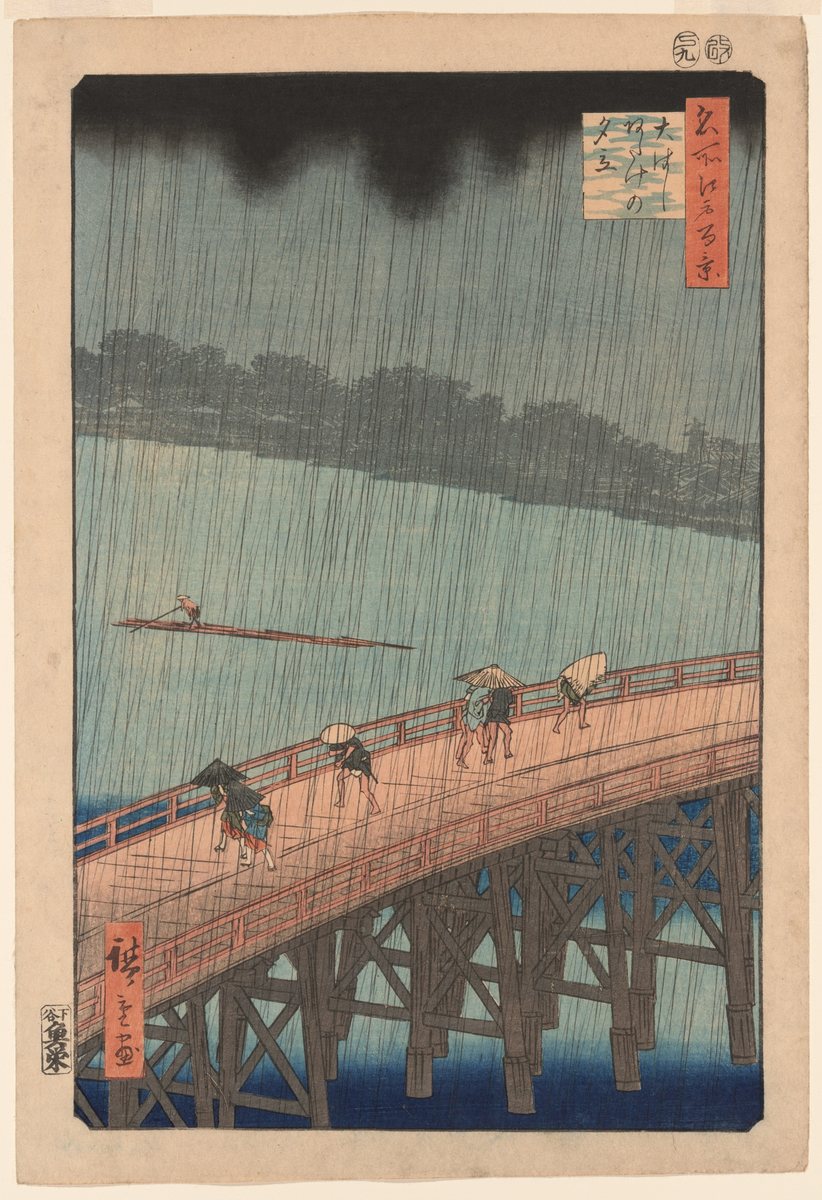 Sudden Shower over Shin Ohashi Bridge and Atake
From $38.00
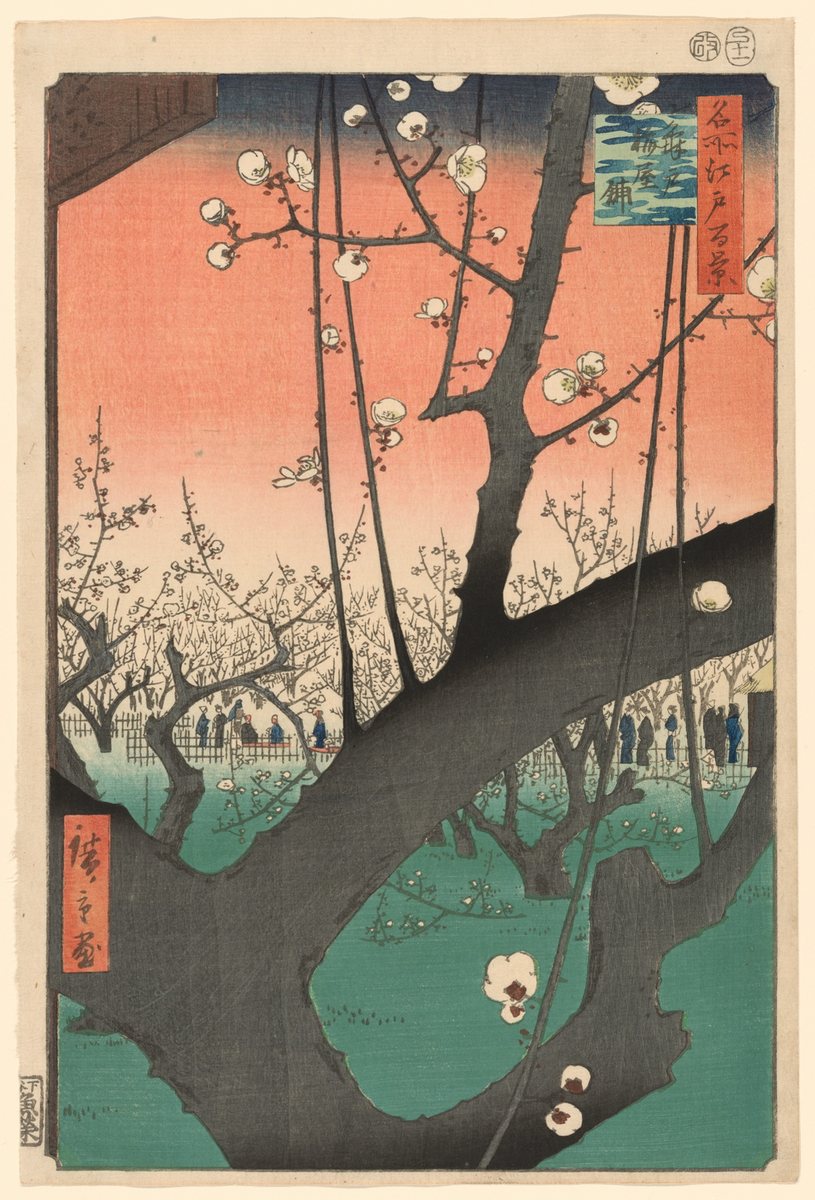 Plum Garden at Kameido
From $38.00
No prints to show here yet.
New prints are being added. Meanwhile, see our 3D Prints.
About the collections
Impressionist Light
Impressionism began as a question about light: how it falls through the roof of a railway station, across a wet Paris street or over a field at the end of summer. The paintings in this collection answer it in different ways. Monet works in series, returning to the same stacks of wheat and the same lily pond as the hours and seasons change. Caillebotte and Renoir carry the question into the city and its pleasures, while Seurat slows it into a method of separate dots of color. Mary Cassatt, the only American invited to exhibit with the French Impressionists, added the flattened space and bold pattern she studied in Japanese woodblock prints. Every work here belongs to the Art Institute of Chicago, which releases its public-domain images under CC0. Our prints are reproductions made from those open-access files, printed to order on archival fine-art matte paper.
Van Gogh
Vincent van Gogh arrived in Paris in 1886 and stayed for two years. There he saw the divisionist painting of Georges Seurat and Paul Signac, and his brushwork broke into short strokes of unmixed color, as in the Self-Portrait and Fishing in Spring, both of 1887. He then spent fifteen months in the southern town of Arles, where he painted his bedroom and Augustine Roulin rocking a cradle, a picture whose palette he called a lullaby in colors. The Poet's Garden of 1888 sets dense trees under a heavy yellow sky, and the 1889 drawing of cypresses carries the same energy in brown ink alone. He died in 1890. This collection is a small survey of those last, crowded years, drawn entirely from the Art Institute of Chicago, which releases its public-domain images under CC0. Each print is a reproduction made from the museum's open-access file, printed to order on archival fine-art matte paper.
Ukiyo-e
Ukiyo-e, pictures of the floating world, were color woodblock prints made in Edo-period Japan, each design cut into wooden blocks and printed by hand, one color at a time. This collection follows the two great landscape designers of the form. Hokusai began his Thirty-Six Views of Mount Fuji when he was over seventy, treating the mountain as a fixed point seen from ever-changing places, and around 1833 he turned to waterfalls. In the late 1850s Hiroshige designed One Hundred Famous Views of Edo, the city now called Tokyo, with bold cropping and unexpected color. These prints reached Europe in the decades that followed: Van Gogh copied Hiroshige's Plum Garden at Kameido in 1887, and Mary Cassatt's paintings of the 1890s show her close study of them. Every sheet here comes from the Art Institute of Chicago's open-access collection (public domain, CC0) and is reproduced uncropped, paper tone included, on archival fine-art matte paper.